Ine Funaya Tour
Ine Funaya Tour
#11 of 172 in Amanohashidate and Miyama
Official tickets & experiences

Ine Funaya Tour

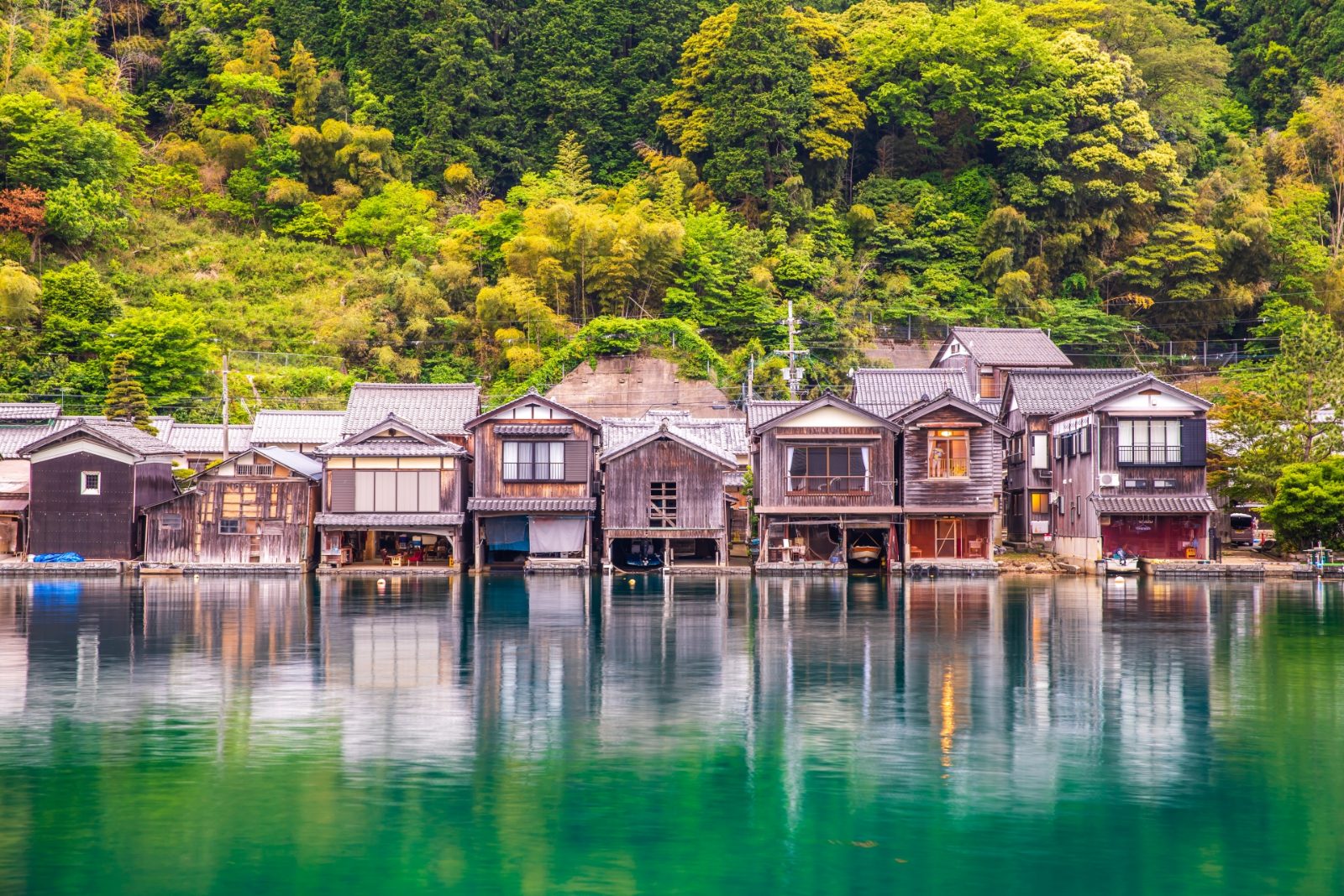
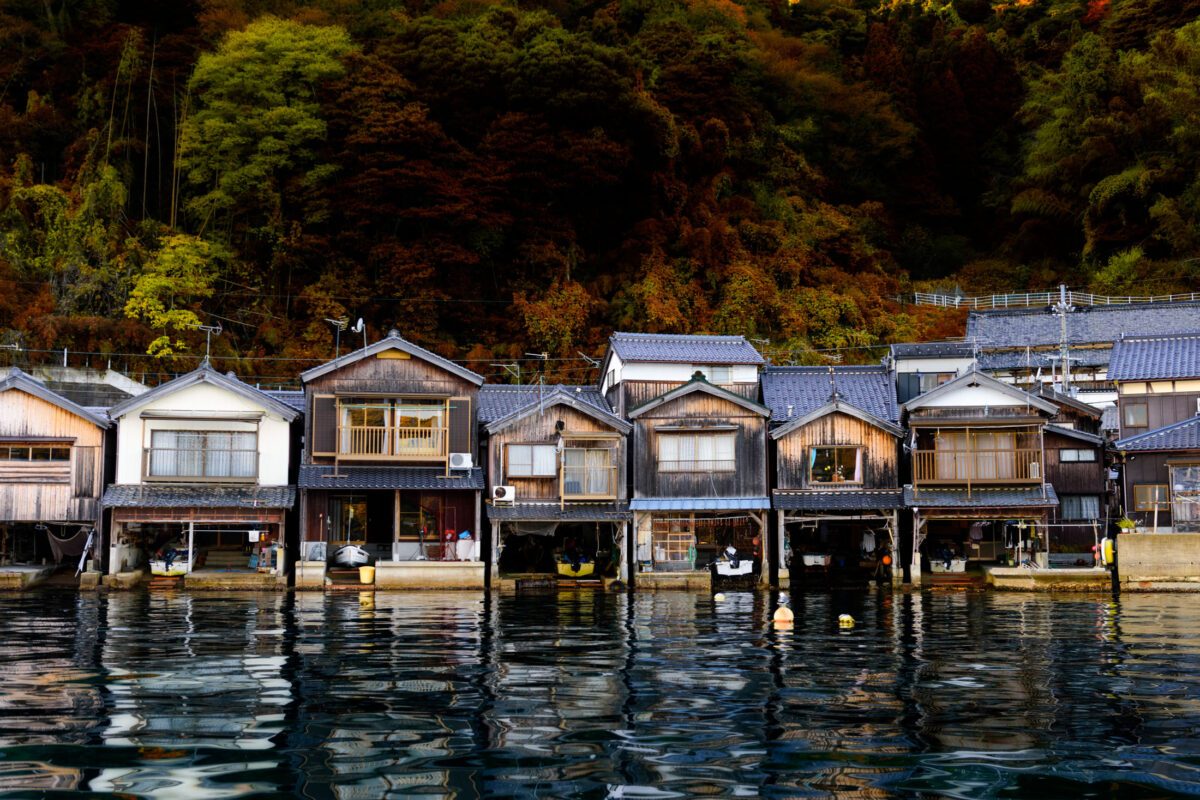
Boat houses anchored to the bay, centuries preserved in timber and thatch

Hand-picked by our editors — only the best 4 experiences from 12 reviewed.

4.9 (2,400) 11.5K+ travelers chose this
Open today 09:00–16:00
Attendance: Moderate — summer season
Standard sightseeing boat tours operate every 30 minutes until 16:00.
Free cancellation Instant confirmation Mobile voucher Verified partner Skip-the-line
Tickets

Choose your Ine Funaya tickets

Verified partners for Ine Funaya tours, free cancellation where available, and instant confirmation on every booking.

Amanohashidate, Ine Bay & Miyama Village Day Trip 10 hr
Guided Experience

Amanohashidate, Ine Bay & Miyama Village Day Trip

4.9 (384)
€44
per person
Instant Mobile voucher Flexible — change up to 24h

Discover coastal wonders and thatched-roof heritage on this full-day escape from Kyoto or Osaka

Reserve
Amanohashidate, Ine Bay & Miyama Village Day Tour 10 hr
Guided Experience

Amanohashidate, Ine Bay & Miyama Village Day Tour

4.9 (24)
€53
per person
Instant Mobile voucher Flexible — change up to 24h

Journey through scenic wonders: dragon-shaped sandbars, floating boathouses, and historic thatched villages

Reserve

Prices from verified partners. Availability updates in real time at checkout. Free cancellation policies apply where shown.

Duration
6-7 hours
Languages
English, Japanese
Group size
Small groups, 8-12
Cancellation
Free cancellation 24h
Highlights

What you'll see inside Ine Funaya

The landmarks, rooms, and views travelers on Ine Funaya tours remember — all visible on a single visit.

Ine Bay Boat Houses

Ine Bay Boat Houses

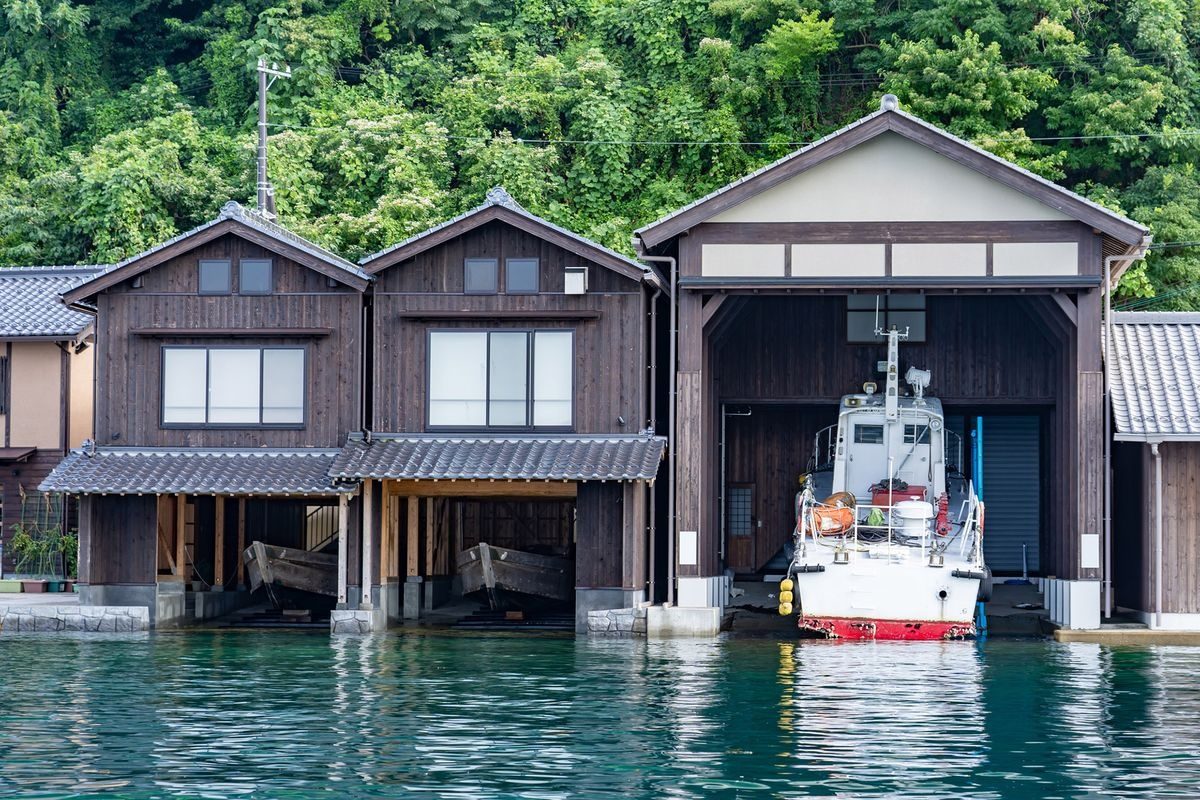
Traditional wooden structures built directly over the water to house fishing vessels.

Funaya Biyori

Funaya Biyori

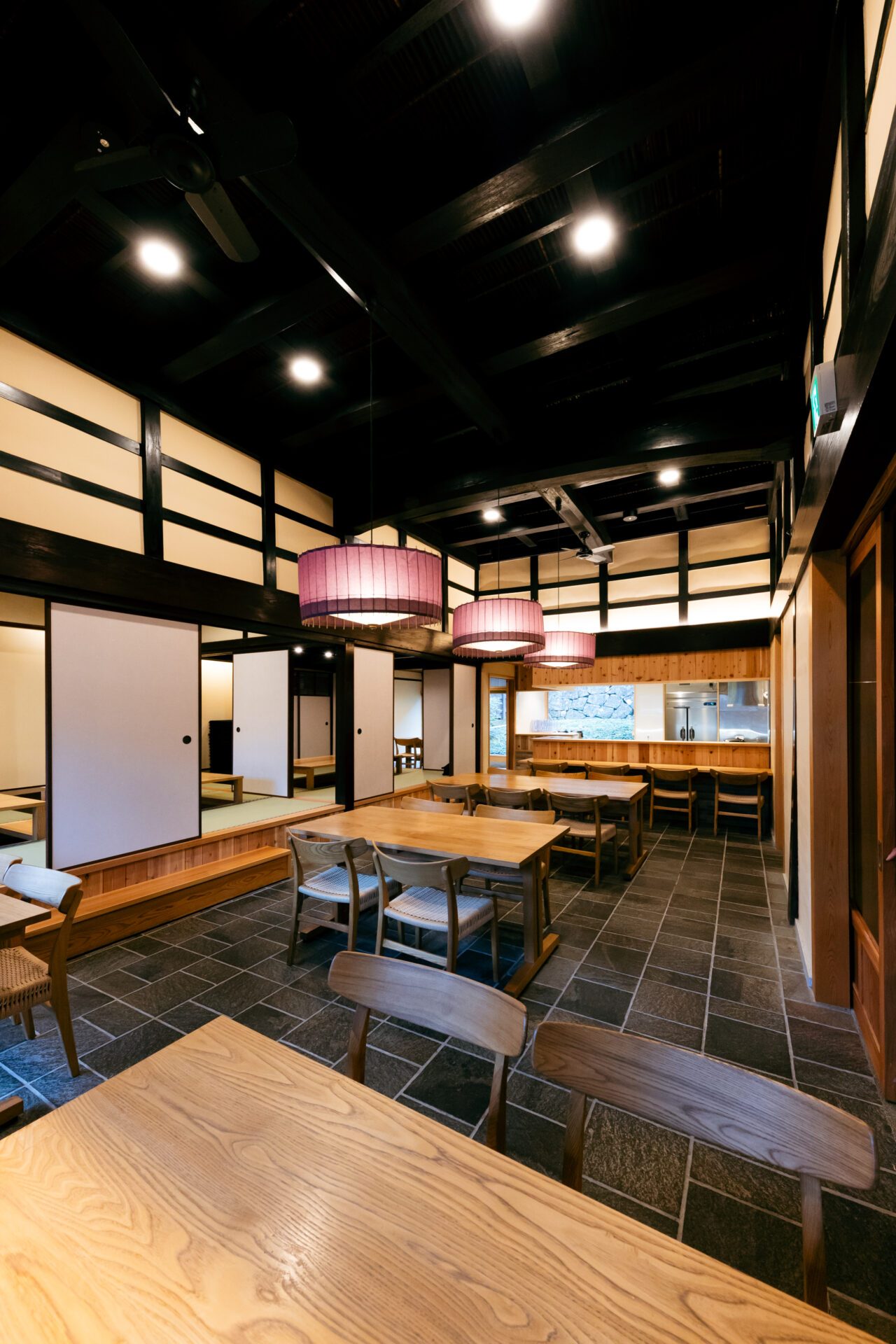
A central hub featuring cafes and dining with views of the historic harbor.

Ine Observation Deck

Ine Observation Deck

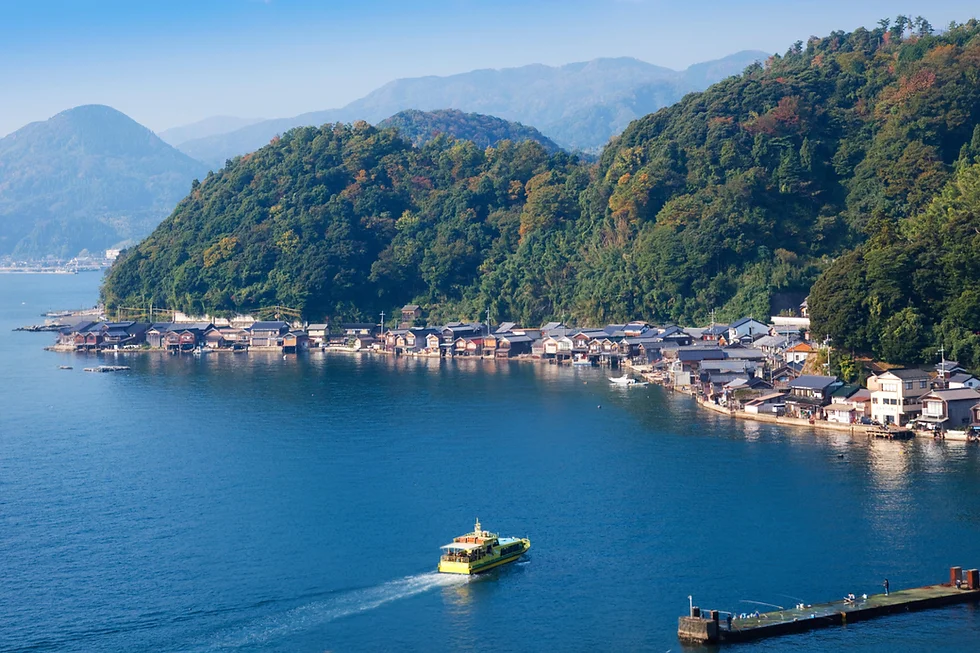
Provides a panoramic vantage point over the bay and the entire village layout.

Kouyomaru House

Kouyomaru House

A rare opportunity to see the interior and equipment of a traditional boat house.

Hide Boat Dock

Hide Boat Dock

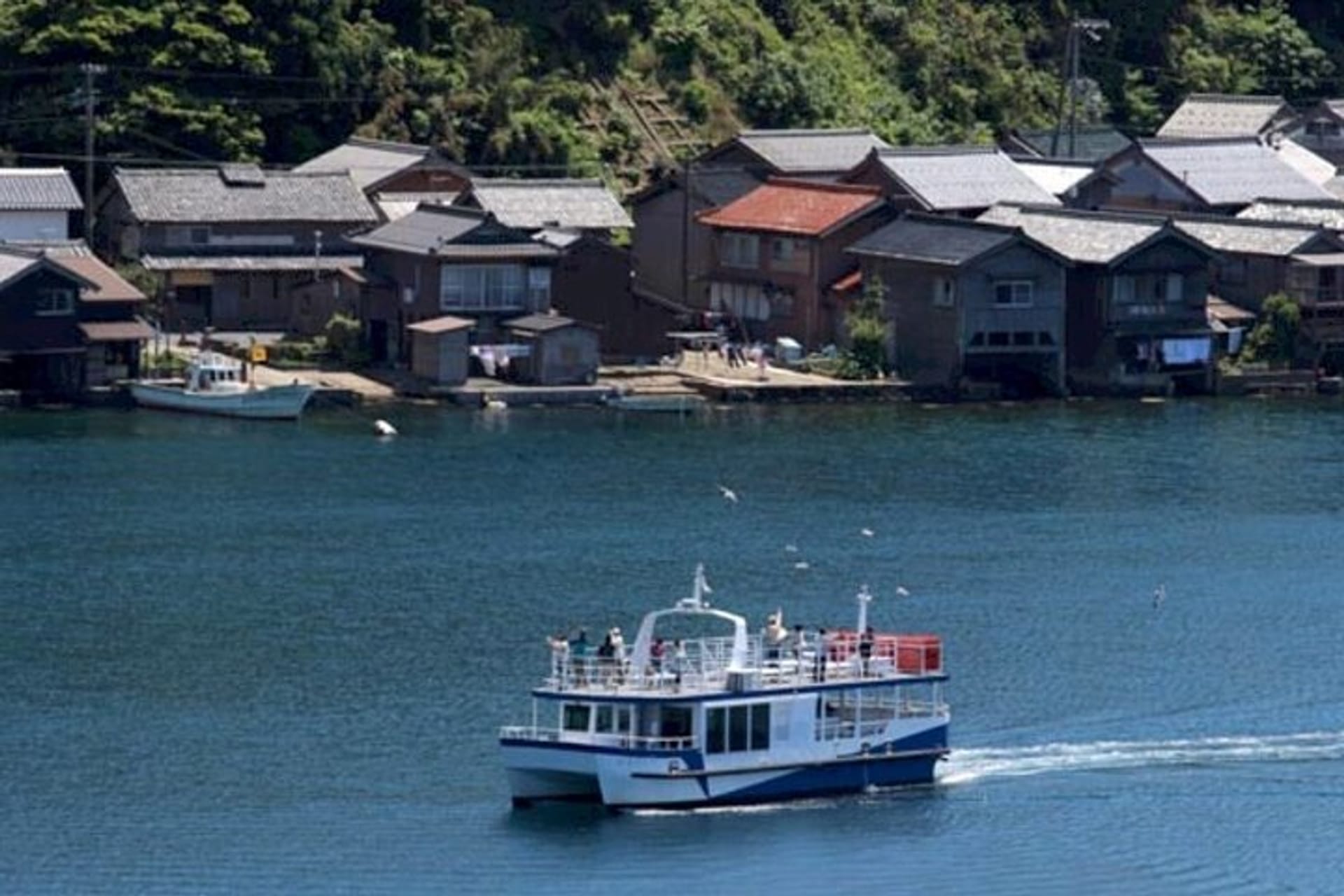
The primary departure point for the main bay sightseeing boat tours.

Compare

Ine Funaya tickets & tours compared

Every Ine Funaya tour side-by-side — duration, what's included, how you redeem.

Experience DurationRatingTransfersSkip-the-lineGuideSmall group Price
Guided Experience
Amanohashidate, Ine Bay & Miyama Village Day Trip
10 hr★ 4.9 €44 Book →
Guided Experience
Amanohashidate, Ine Bay & Miyama Village Day Tour
10 hr★ 4.9 €53 Book →

All prices from verified partners. Availability and exact terms confirmed at checkout.

Head to head

Ine Funaya Tour vs Independent Travel: Which Approach Suits Your Schedule?

An organized ine funaya tour offers streamlined transport for those prioritizing efficiency, while independent public transit travel provides superior freedom for spontaneous exploration.

Feature Top pick Ine Funaya Tour Public Transit
Logistical ease
High complexity and transfers
Total travel time
Longer due to connections
Cost efficiency
Varies by individual fares
Flexibility of stay
Complete self-directed scheduling
Ability to visit all three sites
Extremely difficult in one day

Verdict: Opt for these organized ine funaya tour tours to maximize your site coverage, or utilize independent ine funaya tour tickets if you prefer setting your own pace through the thatched-roof villages and coastline.

How your ticket works

Book Ine Funaya tours in 3 steps

  1. 01

    Book online

    Choose your ticket, select your date, and reserve in under two minutes. Secure checkout handled by our verified partner.

  2. 02

    Receive your mobile voucher

    Instant confirmation by email, with a mobile voucher you can save offline. No printing, no queuing at a collection desk.

  3. 03

    Show & enter

    Arrive at the entrance, show your voucher on your phone, and walk in. Most tickets include priority or skip-the-line access.

Plan your visit

Plan your Ine Funaya visit

Practical details for Ine Funaya tickets straight from our verified partners — hours, access, rules, and how to get there.

Open today · 09:00–16:00
Operating Hours
09:00–16:00 daily
Address
Ine-cho, Yosa-gun, Kyoto Prefecture
Entry Status
Free village access; tours extra
Best Window
09:00–16:00 for daylight visits
Storage
Not available at village sites
Navigation
Ine-cho Tourist Information Hub
Mon
00:00–23:59
Tue
00:00–23:59
Wed
00:00–23:59
Thu
00:00–23:59
Fri
00:00–23:59
Sat
00:00–23:59
Sun
00:00–23:59
Location

ine funaya tour, Amanohashidate and Miyama

Open in Google Maps
Address
Ine-cho, Yosa-gun, Kyoto Prefecture
Storage
Not available at village sites
Navigation
Ine-cho Tourist Information Hub

Dress code

Wear comfortable walking shoes suitable for coastal piers and uneven village paths. Dress in layers, as the sea breeze can be cool even during the summer months.

Bags & security

There are no coin lockers or centralized security checkpoints within the fishing village. Travelers should carry only necessary personal items and manage their own luggage throughout the day.

Photography

Respect the privacy of local residents by avoiding interior shots of private funaya homes. Focus your lens on the scenic boat houses from public viewing areas and authorized tour vessels.

Accessibility

While the village streets are flat, accessing the second floors of traditional structures or boarding small sea taxis can be challenging for those with limited mobility. The main sightseeing boats are generally more accessible.

Mobile phones

Mobile phones are permitted. Keep ringer off inside exhibition spaces.

What to bring

  • Sun protection
  • Comfortable walking shoes
  • Bottled water
  • Cash for small vendors
  • Camera
  • Portable charger
  • Rain gear

Not allowed

  • Drones
  • Tripods in narrow lanes
  • Feeding wildlife (except designated boat crackers)
  • Loudspeakers
  • Smoking outside designated areas
  • Private property trespassing
  • Professional filming equipment
  • Littering

Families & strollers

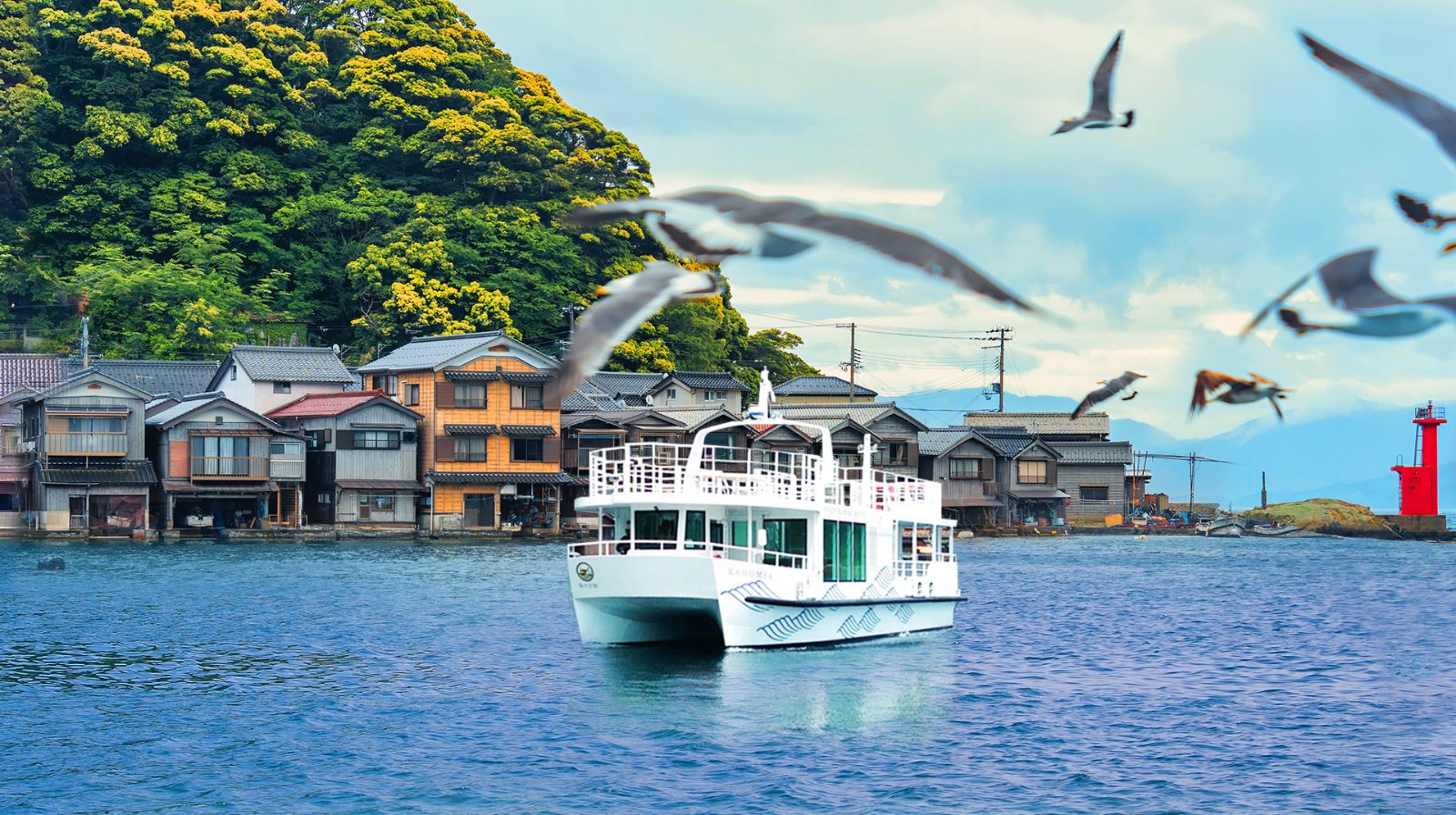
The Ine Funaya tour experience is family-friendly, with many children enjoying the seagull-feeding activities on the larger cruise boats. Always supervise children closely near the water as there are no guardrails along the edge of the funaya.

Food & drink

A variety of local seafood and café options are available at the Funaya Biyori facility and surrounding village shops. We recommend confirming dining hours in advance, as some establishments close by mid-afternoon.

Pets

Pets are not allowed, with the exception of service animals with appropriate documentation.

Good to know

Last entry is typically 1 hour before closing. Check the specific ticket for timing.

Around your visit

Ine Funaya — everything else worth knowing

Best time to go, insider tips, nearby landmarks, and the cancellation fine print — flip through to skim what matters to you.

Cancellation policy

Flexible, no hidden fees.

Cancellations for booked tour services depend on the specific operator, usually requiring 24-hour notice for full refunds. Access to the village area is free as per the 0 JPY entrance fee policy.

Traveler reviews

Ine Funaya tour reviews

4.9
★ ★ ★ ★ ★
2,400 reviews
11.5K+ travelers chose this
  • "The ine funaya tour offered a rare glimpse into a maritime way of life that has persisted for centuries along this protected bay. Walking the narrow path between the boathouses and water gave us an intimate sense of how fishermen historically stored their vessels beneath living quarters. The morning light on the weathered timber was particularly photogenic."
    Michael T. · United States · 2026-06-14
  • "We visited Ine during a loop tour from Amanohashidate and found the slower pace refreshing after busier Kyoto sites. The funaya architecture is genuinely distinctive, with first floors opening directly to the water for boat access. Local guides explained how families still maintain these structures using traditional methods."
    Sarah K. · Australia · 2026-07-22
  • "Ine's boathouse community represents an exceptional example of vernacular coastal architecture adapted to topography and fishing traditions. The settlement's linear arrangement along the bay creates a cohesive visual rhythm that few other Japanese villages achieve. Best visited on weekdays to avoid weekend crowds."
    Hiroshi M. · Japan · 2026-05-03
  • "The ine funaya tour tickets included a boat ride that provided perspective on how the entire village relates to the protected harbor. From the water you can see the structural logic of building over the sea. Some boathouses now serve as cafes or guesthouses, which felt a bit commercial but understandable for preservation funding."
    Emma L. · United Kingdom · 2026-08-09
  • "Ine Bay tours reveal a settlement type that balances function and tradition in a way modern waterfront developments rarely achieve. The scale remains human, with walkways just wide enough for pedestrians and the occasional bicycle. We spent two hours photographing details and talking with a boat builder working on repairs."
    Carlos R. · Spain · 2026-03-18
  • "The funaya village experience contrasts beautifully with the pine-covered sandbar of nearby Amanohashidate. Ine feels lived-in rather than curated for tourists, with fishing nets drying outside working boathouses and older residents going about daily routines. The observation deck on the hillside offers the best overall view."
    Yuki N. · Singapore · 2026-07-01
  • "Our guide explained how the funaya design evolved to accommodate changing boat sizes and fishing methods over generations. The adaptation shows ingenuity rather than rigid preservation. We took the scenic route through Miyama thatched-roof village afterward, making a full day of vernacular architecture exploration in northern Kyoto Prefecture."
    Thomas B. · Germany · 2026-04-26
  • "Ine funaya tours deserve more recognition among travelers focused on temples and cities. The bay setting is serene, the architecture is functionally beautiful, and the absence of large tour buses keeps the atmosphere authentic. We stayed overnight in a converted boathouse and woke to fishermen preparing their boats at dawn."
    Jennifer W. · Canada · 2026-06-30
  • "The ine funaya tour provided context for how Japanese coastal communities organized around fishing economies. First-floor boat storage with living space above makes practical sense in a place with limited flat land. The timber construction has aged gracefully, and maintenance efforts appear ongoing rather than purely cosmetic."
    Lucas P. · Brazil · 2026-08-15
  • "We combined Ine with Amanohashidate in a single day trip from Kyoto, which felt slightly rushed but manageable. The funaya settlement is compact enough to explore on foot in an hour, though we wished for more time to sit and observe bay life. The lack of English signage was not a barrier given the visual nature of the experience."
    Anna F. · Netherlands · 2026-05-20
1★
260
2★
310
3★
620
4★
1890
5★
8420
Ine Funaya Tour: Traditional Boathouses
About

Ine Funaya Tour: Traditional Boathouses

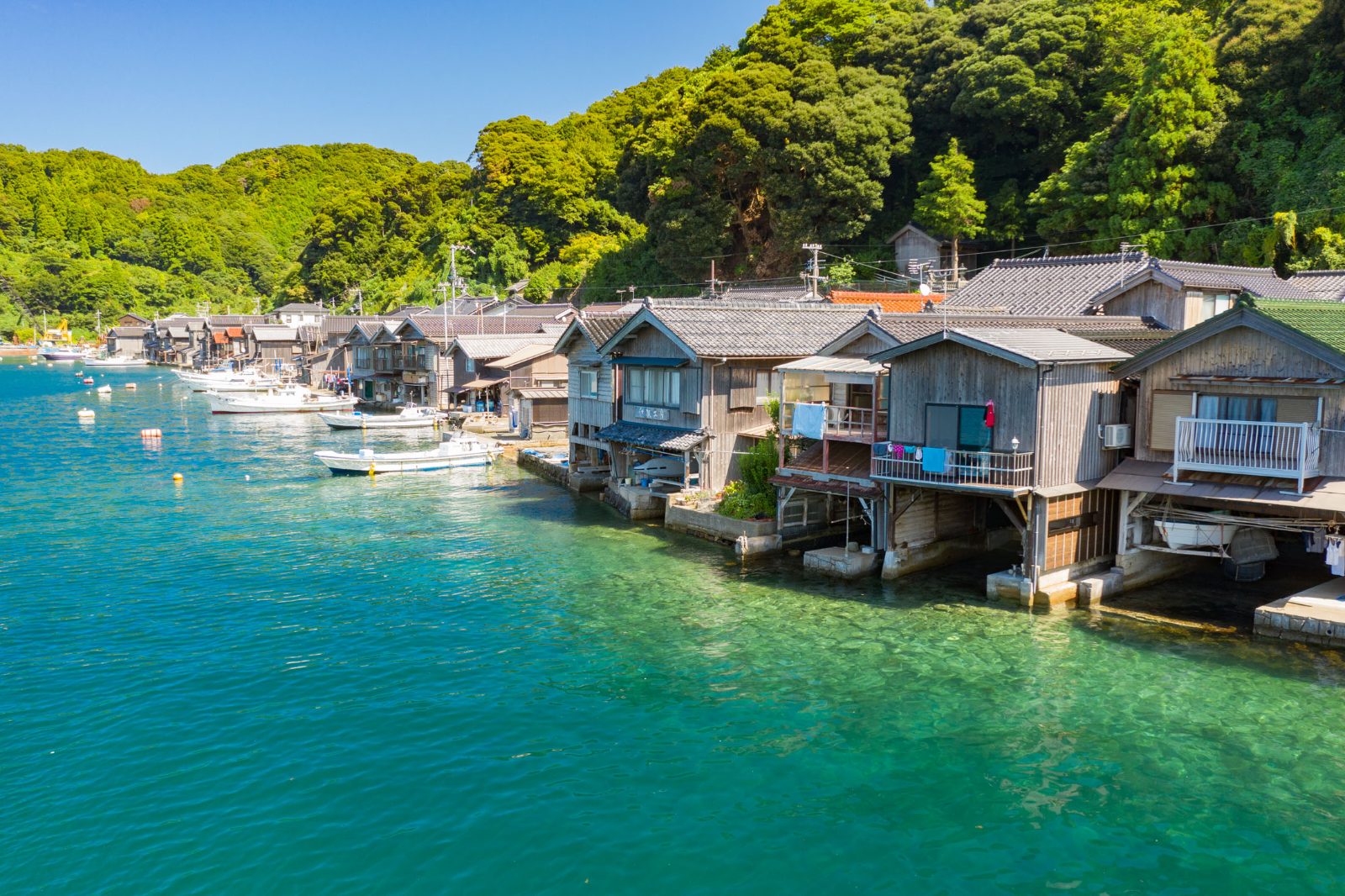
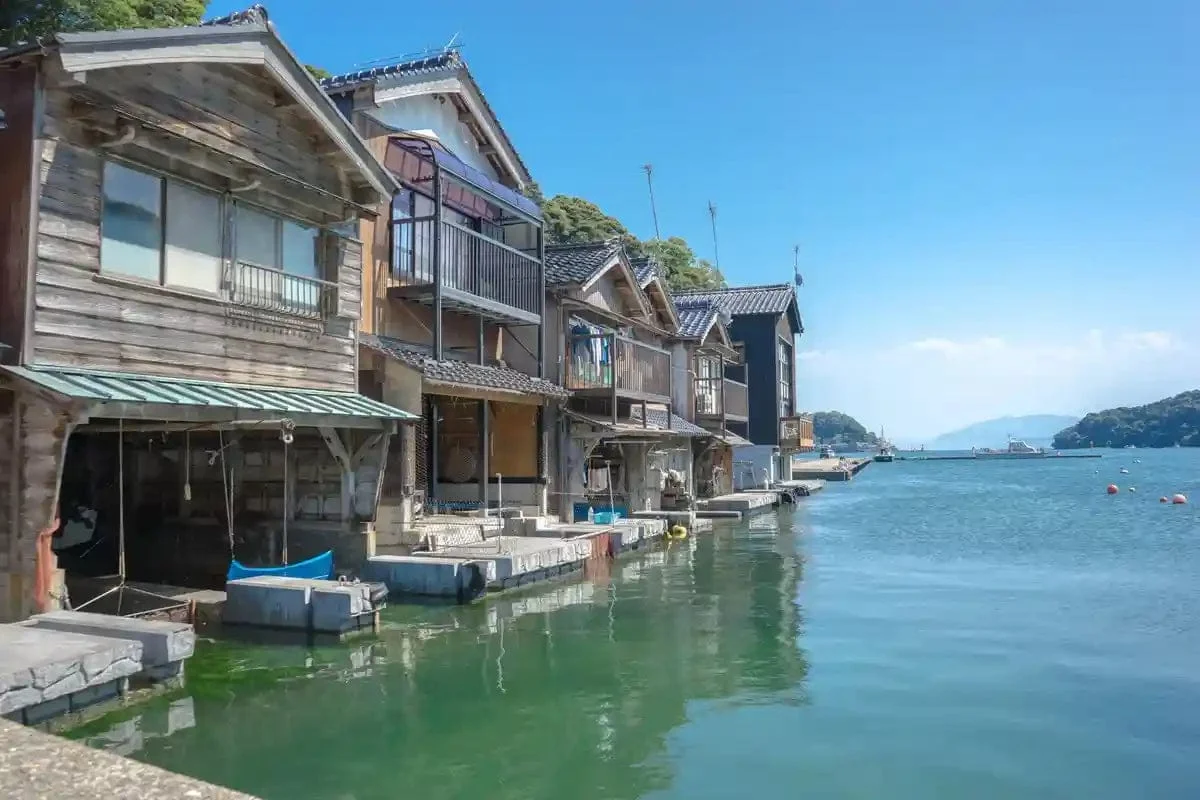
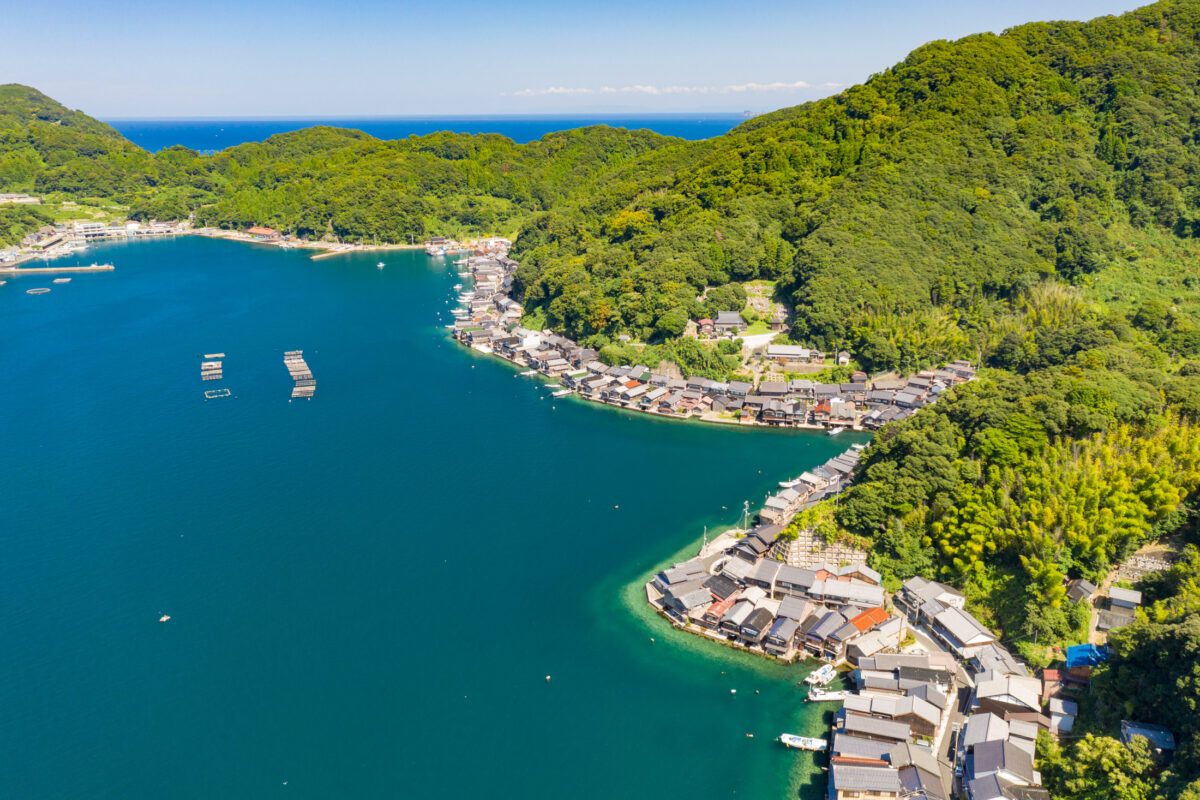
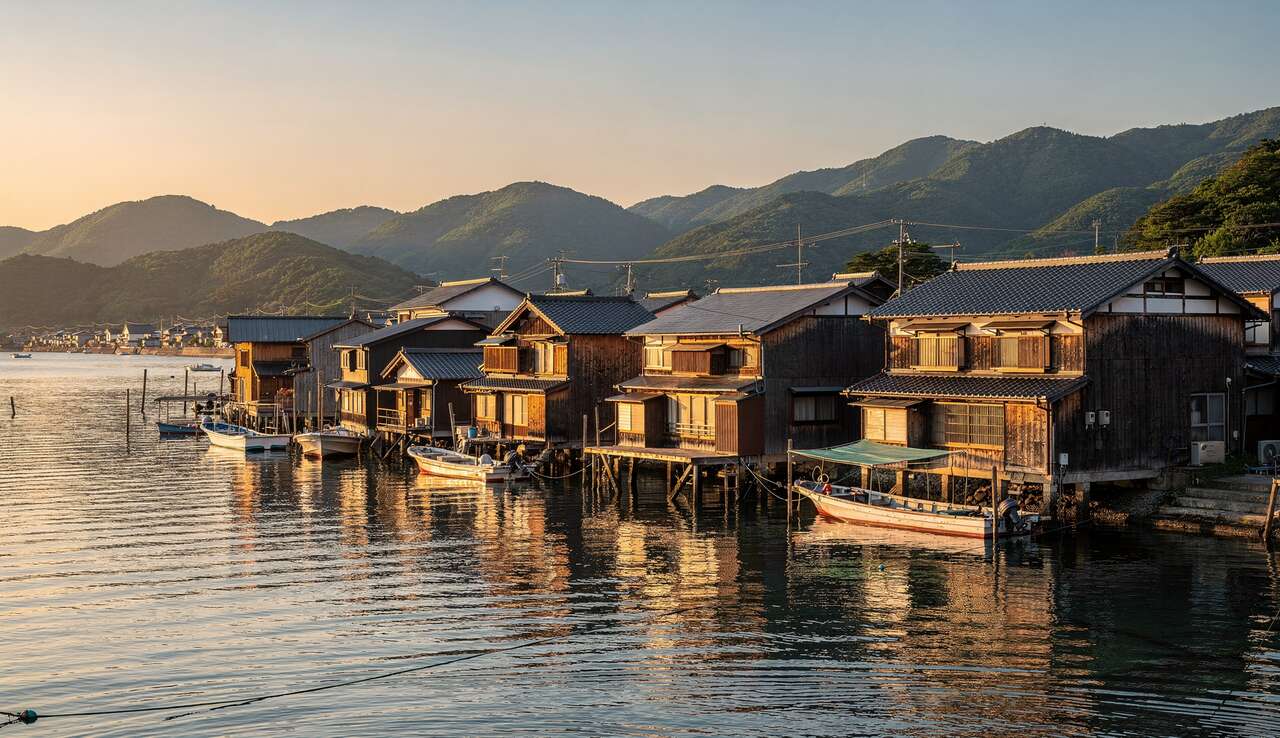
Ine's 230 funaya — boat houses with ground-floor docking bays and living quarters above — represent Japan's only remaining village built entirely on this maritime-vernacular model.

Read more

Constructed from the Edo period onward along a five-kilometre crescent bay, each structure rests on timber pilings driven into shallow water, allowing fishing families to moor boats directly beneath their homes. The architectural logic is simple: no wasted movement between house and sea, no separate boathouse, no harbor walk. By 2005, the district earned national preservation status, freezing further development and ensuring that restoration follows historical methods.

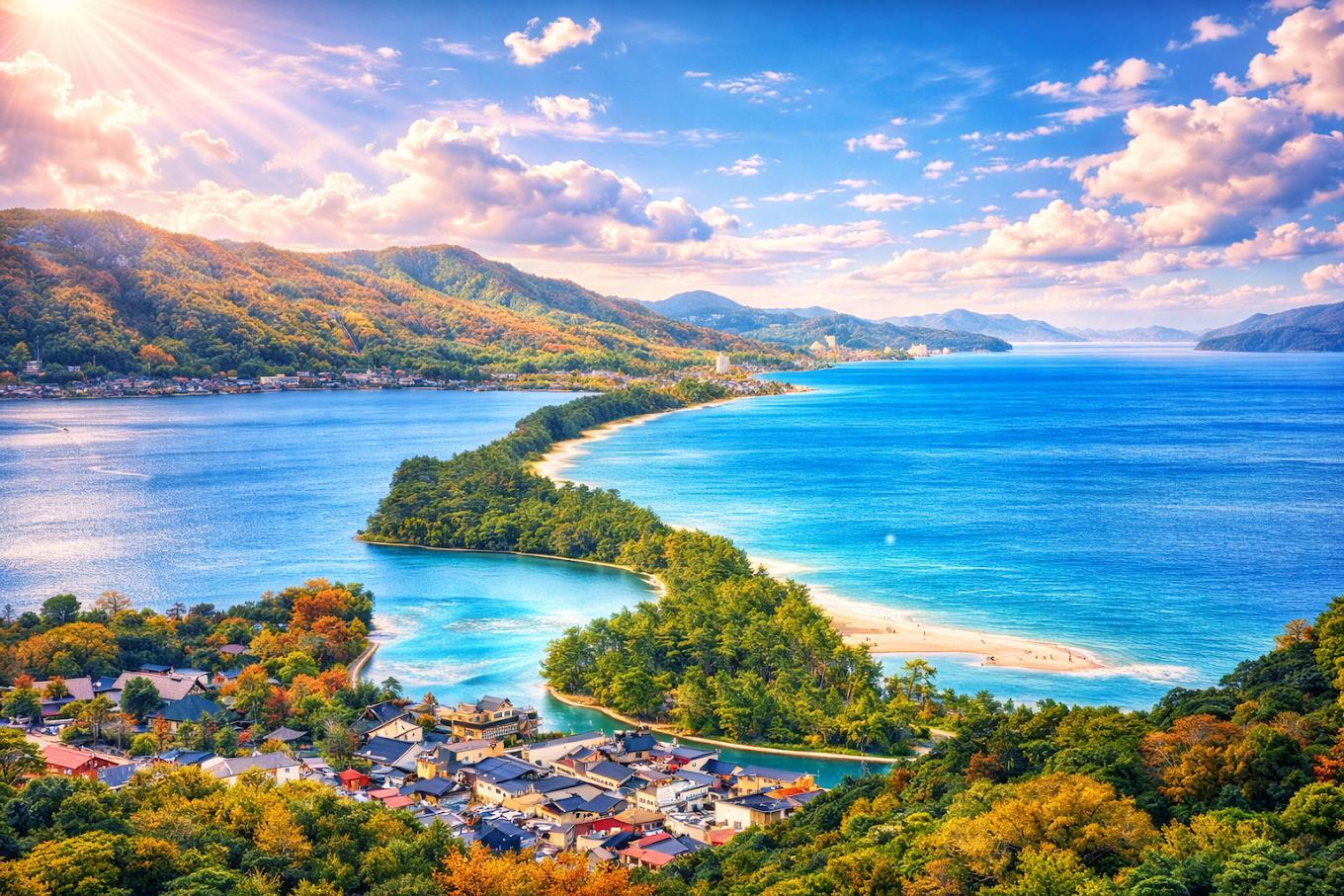
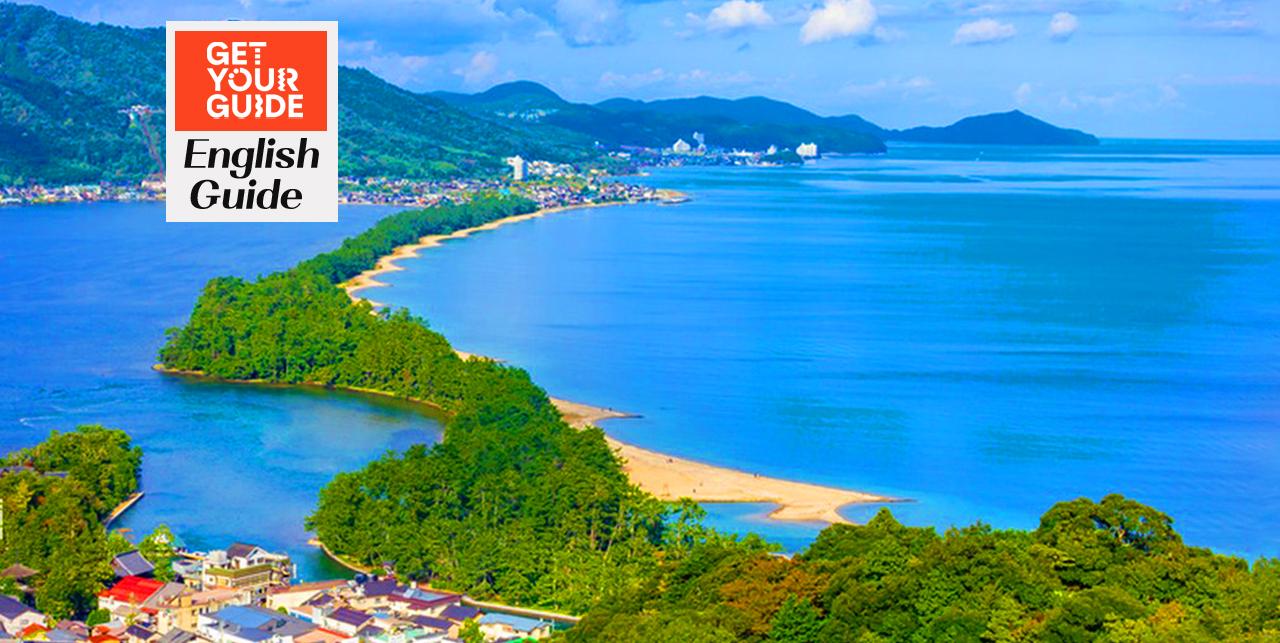
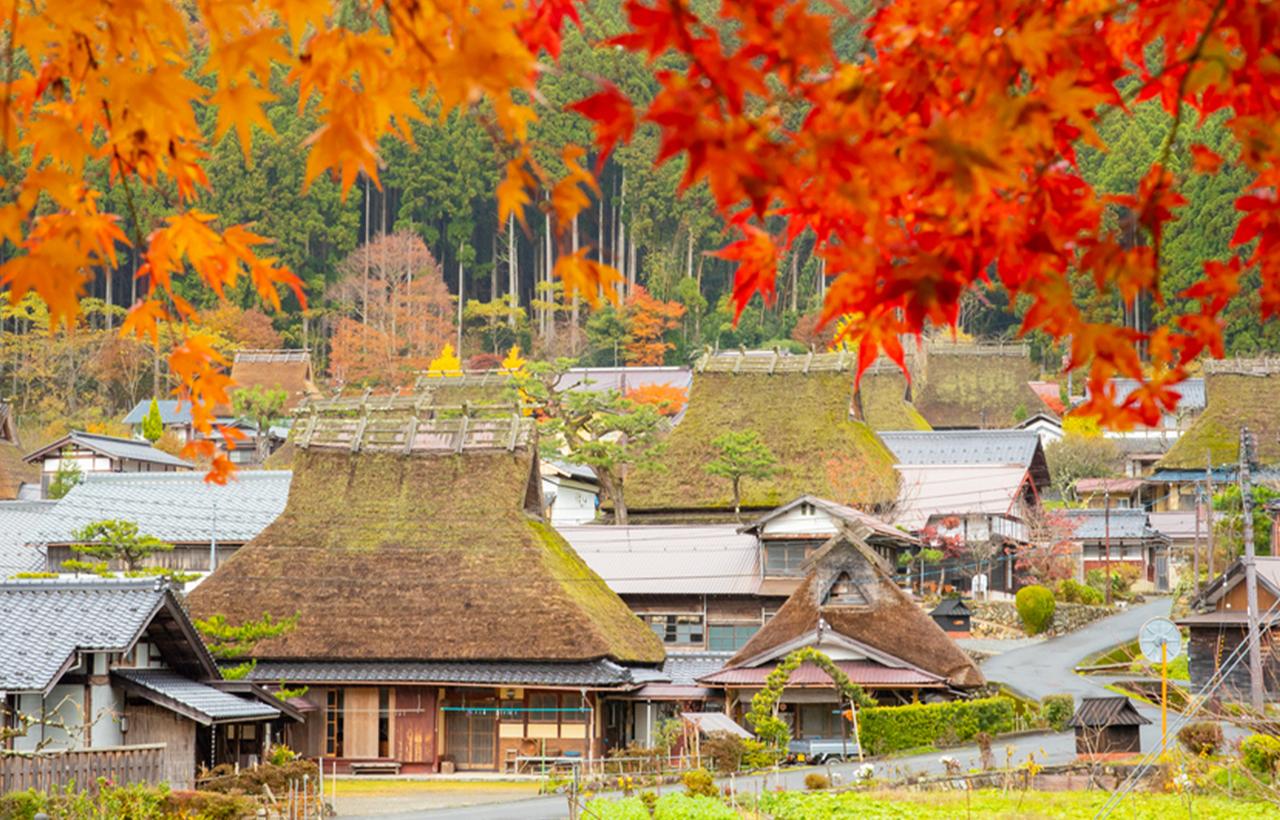
An Ine funaya tour from Kyoto or Osaka typically pairs the boat-house settlement with two complementary sites within 30 kilometres. Amanohashidate, eight kilometres south, is a 3.6-kilometre sandbar planted with 8,000 black pines, creating a land bridge across Miyazu Bay. Visitors ascend either Kasamatsu Park or Mount Monju to view the sandbar inverted — a phenomenon that inspired its nickname, the Bridge to Heaven. Miyama's Kayabuki-no-Sato, 40 kilometres inland, preserves 38 thatched-roof farmhouses in a mountain basin. The oldest structures date to the 18th century; village cooperatives re-thatch roofs every 20 to 40 years, maintaining a collective knowledge of susuki grass layering and ridgeline binding.

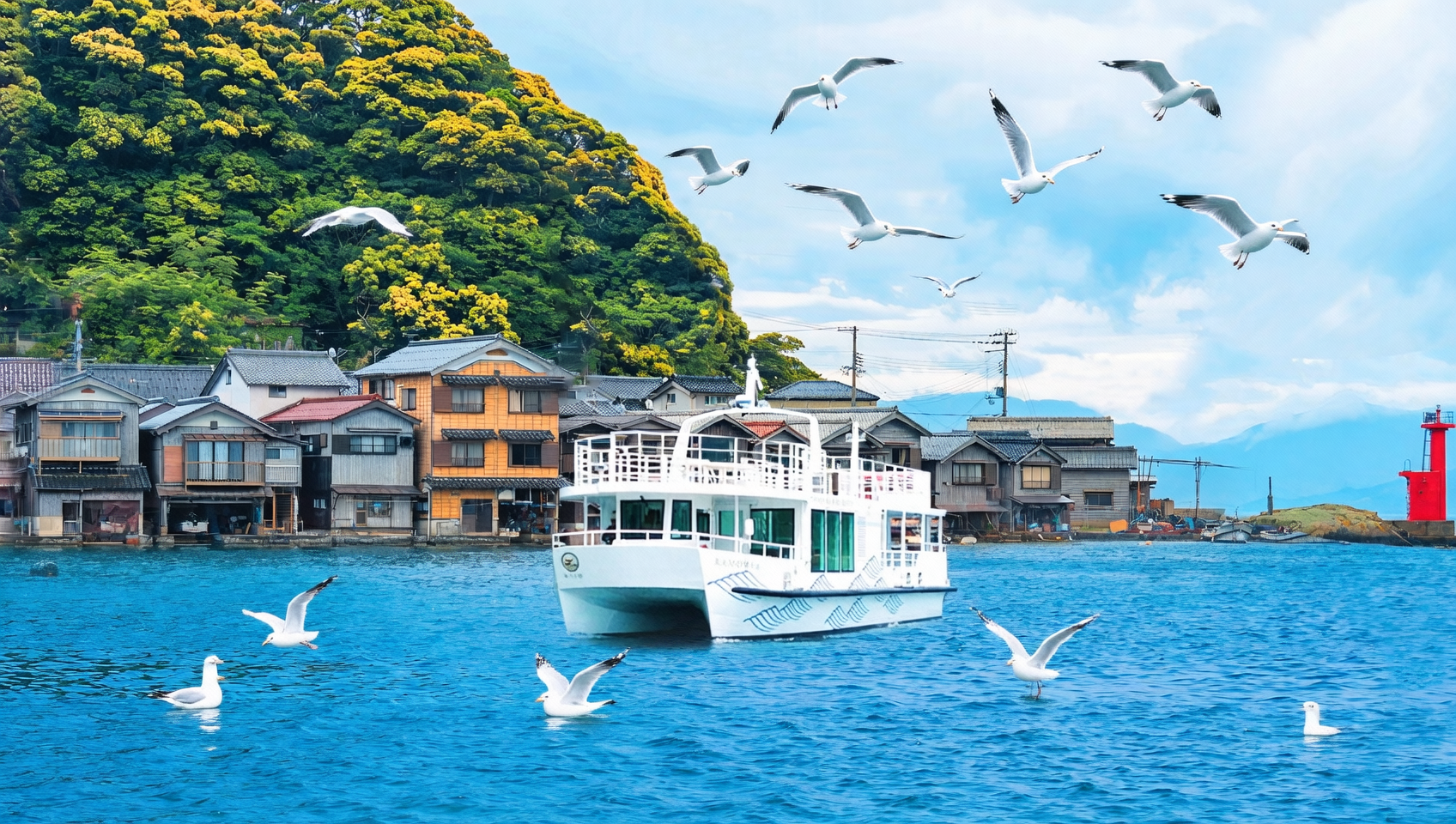
The Ine funaya boat tour itself — a 25-minute loop departing from the village harbor — passes within arm's reach of the docking bays, allowing views of fishing nets drying on balconies, boat repair in progress, and the timber joints where saltwater meets foundation. No other coastal settlement in Japan retains this density of working funaya; similar structures in Hokkaido and the Seto Inland Sea were replaced by concrete harbors in the 1960s. Ine's survival owes partly to geography — the bay's natural windbreak made modernization less urgent — and partly to early preservation advocacy by regional architects in the 1980s.

Today the village supports 450 permanent residents, down from 2,000 in 1950. Seventeen funaya now operate as guesthouses or restaurants, adapting interiors for overnight stays while preserving exterior profiles. The boat tour remains the only practical method for viewing the architecture from the water; road access runs behind the settlement, and public footpaths are narrow. Together with Amanohashidate's pine corridor and Miyama's thatched rooflines, the three sites form a 70-kilometre triangle of pre-industrial infrastructure still legible in working form.
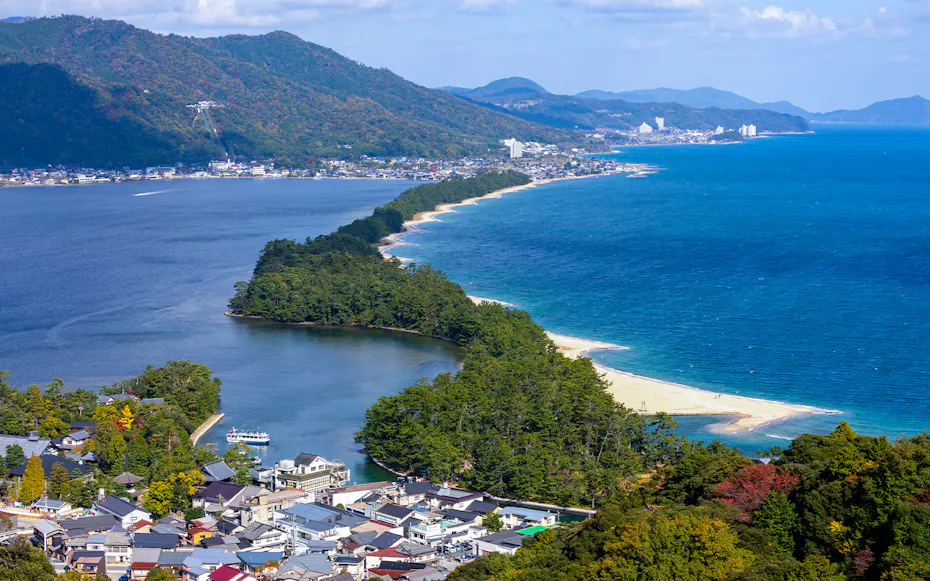
"No other coastal settlement in Japan retains this density of working funaya; similar structures were replaced by concrete harbors in the 1960s."
Your experience

What a Ine Funaya tour day looks like

A step-by-step walkthrough of Ine Funaya tickets — what you'll see, how long each stage takes, and the details that matter.

You board the funaya boat tour at Ine Harbor, where the 25-minute loop begins its crescent path. The vessel pulls within three metres of the docking bays — close enough to see rope coils on balconies and the weathered grain of cedar pilings. Fishing nets stretch between posts, drying in the morning air.

Read more

The captain points out funaya converted to guesthouses, their sliding doors now fitted with glass, interiors visible through second-floor windows.

At Amanohashidate, you take the cable car to Kasamatsu Park and perform the matsukudari — bending forward to view the sandbar upside-down between your legs. The sandbar runs in a thin line across the bay, pines dark against pale water. You walk a portion of the 3.6-kilometre footpath, gravel crunching underfoot, before returning to road level.

In Miyama, you enter Kayabuki-no-Sato through a gated path. Thirty-eight thatched roofs cluster in the valley, their ridgelines sharp against forested slopes. You step inside one restored farmhouse — the interior is dark, smoke-stained beams overhead, a sunken hearth at the center. Outside, village cooperative members demonstrate rope binding for thatch layers, showing how susuki grass is cut, dried, and bundled before installation. The valley is silent except for footsteps on gravel and distant stream water.

Your experience at Ine Funaya Tour
Frequently asked

Frequently asked questions about ine funaya tour tours

What are the opening hours for an ine funaya tour?

The village area is open 00:00–23:59, but the best arrival window for activities is 09:00–16:00. Sightseeing boat operators typically run their services within these hours.

Is there an entrance fee for an ine funaya tour?

Entry to the village areas is 0 JPY; however, boat tours and museum visits charge additional fees.

When is the best time to visit for an ine funaya tour?

The best arrival window is 09:00–16:00 to enjoy the daylight for viewing the boat houses and facilities. Spring and autumn are often recommended for mild weather.

Are there baggage storage options during an ine funaya tour?

There are no formal luggage storage facilities in the fishing village, so it is best to leave heavy bags at stations like Amanohashidate.

Can I bring children on an ine funaya tour?

Yes, families are welcome; the sightseeing boats offer interactive experiences like seagull feeding that children often enjoy.

How do I get to the ine funaya tour location?

You can take a bus from Amanohashidate Station, which is the standard transit route to reach the boat house area in Ine-cho.

Are photography and drones allowed on an ine funaya tour?

Photography is encouraged in public areas, but please respect residents' privacy; drones are generally prohibited for the safety and quiet of the village.

What should I wear for an ine funaya tour?

Wear comfortable walking shoes and dress in layers to stay prepared for changing weather conditions near the sea.

Can I combine an ine funaya tour with other sites?

Many visitors combine the trip with a visit to the Amanohashidate sandbar or the thatched roofs of Kayabuki-no-Sato in Miyama-cho.

Do I need to book an ine funaya tour in advance?

For standard sightseeing boats, advance reservations are not required, but group tours or specific private experiences may benefit from pre-booking.

Keep exploring

More Ine Funaya tours & experiences

Nearby cities & day trips
Miyazu
15km south; base for Amanohashidate